
The New Run Wild Movement
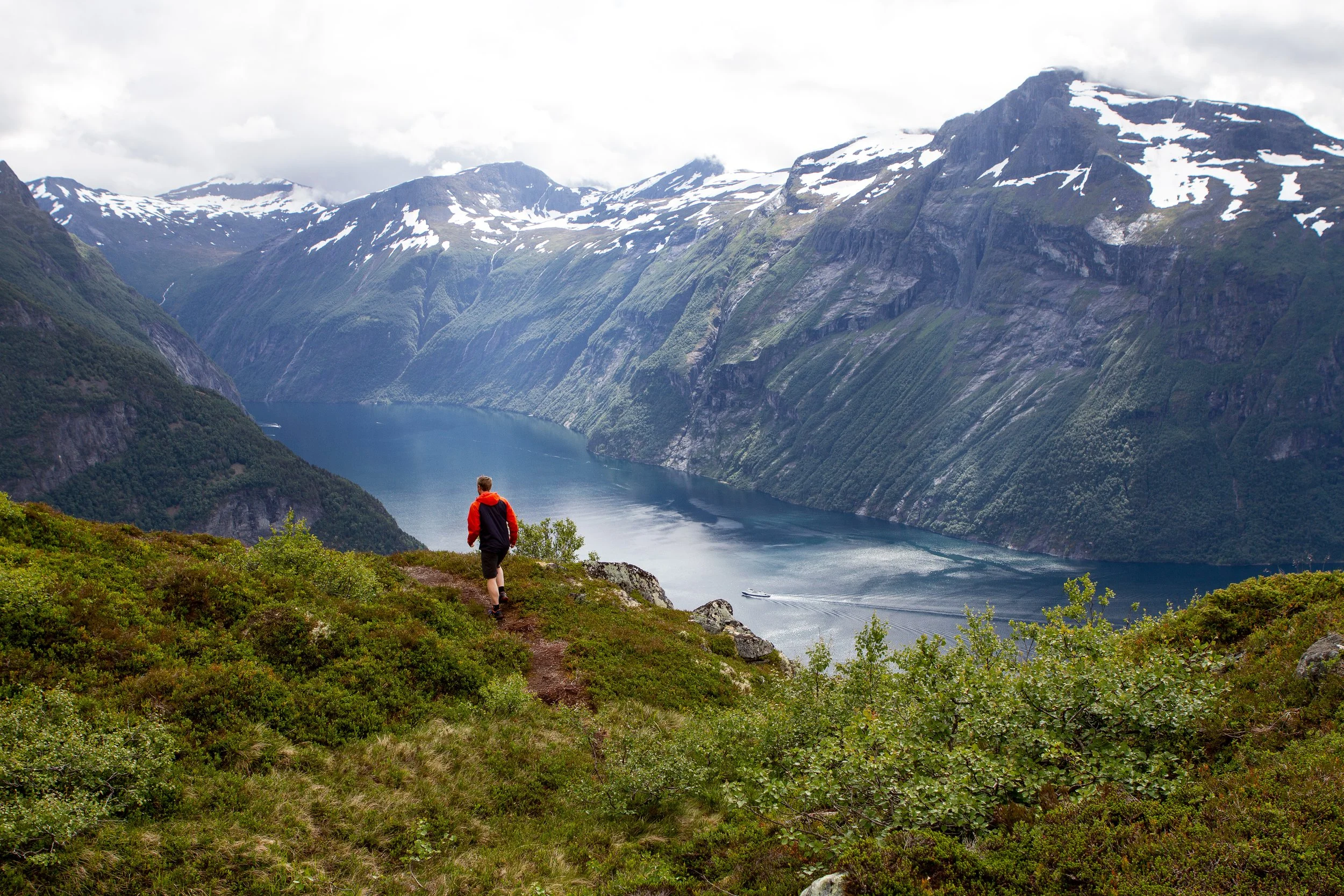
Over the past few years, running culture has been undergoing a quiet but unmistakable transformation. What was once a sport dominated by roads, tracks, and pavement-focused training plans is increasingly becoming an off‑road pursuit. Trail running — once a niche corner of endurance sport — is now one of the fastest‑growing segments in outdoor recreation.
And the numbers prove it.
Across global platforms, social networks, outdoor participation surveys, and race registrations, the trail is winning. More runners are trading asphalt for dirt, concrete for forest floor, and city noise for wind, water, and solitude.
Here’s what’s fueling the movement — and what the data tells us about its momentum.
Trail Running Participation Is Surging
One of the clearest indicators of this shift is the unprecedented rise in trail‑based activities across major fitness and outdoor platforms.
Strava’s data shows that trail running, hiking, and gravel riding saw an uptick that far outpaced other sports, continuing momentum that began during the pandemic and strengthened through 2024–2025.
TrainingPeaks reported a 50% increase in gravel racing for two consecutive years and a doubling of trail running events compared with pre‑pandemic numbers — strong signals that runners are seeking more off‑road experiences. [getoutside...rvey.co.uk]
This isn’t just a post‑pandemic spike — it’s a sustained movement with cultural and behavioral roots.
Outdoor Participation Is at a Record High
Trail running’s growth is part of a broader outdoor boom.
MASSIVE’s 2026 outdoor participation report shows 89% of people plan to take part in the same number or more outdoor events in 2026, the highest enthusiasm level in four years. [marathonhandbook.com]
Women are driving much of this trend, making up 59% of new outdoor event participants, reflecting a more inclusive outdoor community and broader access to trail sports.
More people are seeking nature-connected fitness experiences — and running is one of the simplest ways to step into that space.
Hiking & Trail Use Have Become Mainstream
Trail running’s rise is also supported by the massive growth in hiking and general trail use.
Hiking added over 2 million new participants in recent years, according to outdoor industry reports.
The hiking gear market is projected to reach $11.3 billion by 2033, showing strong, long-term interest in backcountry and trail-focused recreation. [thegreatou...orsmag.com]
Apps like AllTrails and OnX have dramatically increased access and confidence for new trail users by providing crowdsourced routes and real‑time updates, further encouraging runners to explore beyond roads.
When more people are already out there hiking, trail running becomes a natural next step.
Shift in Runner Motivation: From Pace to Presence
Trail running appeals to a new cultural mindset forming around wellness, mental recovery, and a desire for more meaningful time outdoors.
Wellness-centered outdoor recreation — quiet hiking, sunrise trail walks, nature therapy — is rising sharply, influencing how people run.
Runners increasingly seek environmental immersion over performance metrics, aligning with the trend of using nature to recharge mentally.
In short: runners want more than miles — they want experiences.
Crowded Roads, Open Trails
Data from running participation studies suggests road racing is reaching saturation in many markets:
Running Insight research cited by Field Mag notes that for every trail runner, there are still 5.3 road runners, meaning there is huge room for growth in the trail space.
This gap creates opportunity — and runners are beginning to fill it.
More people are discovering that trails offer space, challenge, and variety that roads simply can’t match.
Gear Innovation Is Accelerating the Trend
The explosion of trail‑specific and hybrid footwear has made the transition easier than ever.
Brands like Salomon, Nike, Adidas, Norda, and Craft are releasing new generations of trail super‑shoes, gravel‑hybrid shoes, and technical apparel designed specifically for mixed terrain.
The popularity of gravel‑hybrid running shoes — designed for pavement‑to‑trail transitions — shows how companies are responding to shifting runner habits.
Where innovation goes, runners follow.
People Want Adventure — Without Needing a Plane Ticket
Trail running satisfies the modern desire for micro‑adventures.
More people are signing up for trail events, which are becoming increasingly social — 80% of 18–24‑year‑olds join with friends or family. [marathonhandbook.com]
Add the surge in route‑recommendation features on platforms like Strava and AllTrails, and suddenly, adventure feels accessible right outside your door.
The Verdict: The Trails Are Winning
The trail movement isn’t a fad — it’s a cultural shift.
Driven by global participation spikes, wellness interests, improved gear, social motivation, and a deep human desire to reconnect with nature, trail running has stepped into the spotlight as one of the defining outdoor trends of 2026.
Road running isn’t disappearing.
But the trail — with its uneven ground, open horizons, and quiet challenge — has become the new home for many runners searching for something bigger than a finish time.
And if the numbers are any indication, this shift is only gaining momentum.
